Building Transparency Blog
MEP EPD Data Update: New Categories, Subcategories, and Coverage in EC3
November 6, 2026
Search EC3 today for a chiller, a run of conduit, or a heat pump, and you’ll find something that barely existed a year ago: deep, searchable environmental data for the systems that keep buildings running. EC3 now holds more than 11,300 MEP EPD records, about 75% more than a year ago, across mechanical, electrical, and plumbing systems. This milestone represents more than a year of category development, data cleanup, product restructuring, and improvements to how MEP products can be searched and compared in EC3.
If you have searched EC3 for a chiller, a conduit, or a heat pump, you are seeing the result of a significant data infrastructure investment that began in 2024. Building Transparency, with support from the McKinstry Foundation, spent over a year developing MEP category structures, refining product attributes, and cleaning up thousands of EPD records that existed in the database but were not yet organized or searchable in a useful way.
This post documents that work: what the Building Transparency data team built, what the data looks like today, where the remaining gaps still exist, and what EC3 2.0 will bring for MEP users.
What We Set Out To Do
Mechanical, electrical, and plumbing systems make up a significant portion of a building’s embodied carbon, but they have historically been difficult to account for. Structural materials like concrete and steel have well-established EPD ecosystems and mature category structures in EC3. MEP equipment did not.
The gap was not just about EPD availability. Even where MEP EPDs existed, EC3 lacked the category structure and product attributes needed to make them searchable and comparable. A chiller EPD might be in the database, but without a defined category for chillers and attributes like cooling capacity and refrigerant type, it was functionally invisible for procurement decisions.
The project addressed this directly through three major areas of work: category development, a new EPD splitting system, and a comprehensive cleanup and recategorization of existing records.
Project Goals
- Develop detailed MEP category structures for EC3
- Create searchable product attributes for mechanical, electrical, and plumbing products
- Split extrapolated EPDs into individual comparable product records
- Improve EC3 searchability, data quality, and product visibility
- Expand usable MEP embodied carbon data for project teams and procurement decisions
Building the Category Structure
The Building Transparency data team developed and refined the category specification for EC3 across three disciplines: mechanical, electrical, and plumbing. This work created a more structured foundation for organizing MEP products and connecting EPD records to the attributes users need when searching and comparing products.
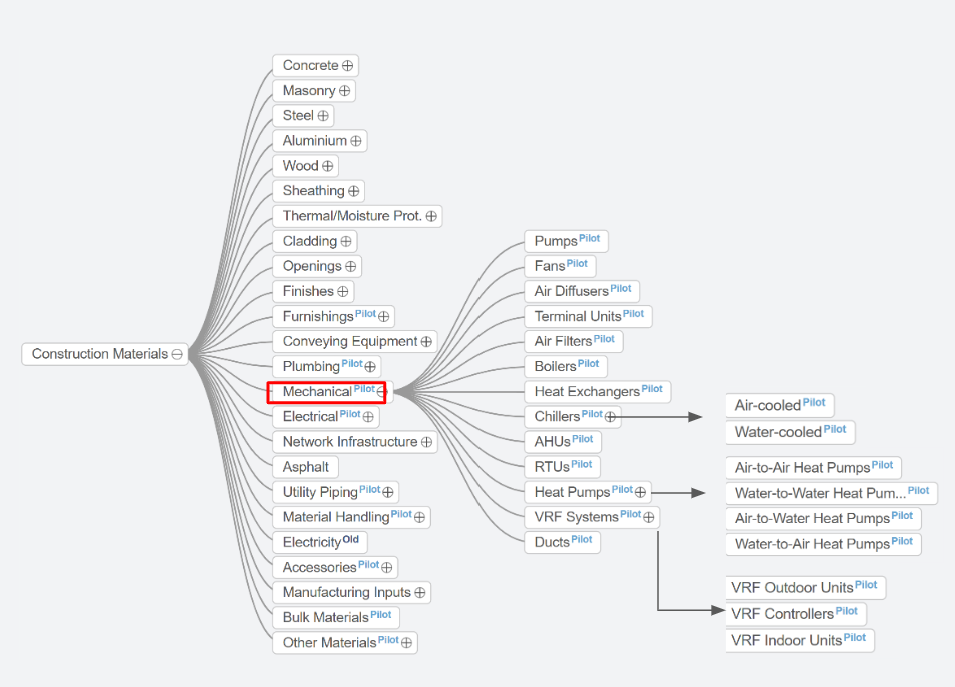
Figure 1: Example of new Mechanical subcategories in EC3
Mechanical categories were expanded with detailed subcategories such as chillers, boilers, pumps, air handling units, terminal units, VRF systems, and many others. Product-specific attributes, including cooling capacity, refrigerant type, heating source, and equipment configuration, were added so users can search for products based on specifications that matter during procurement.
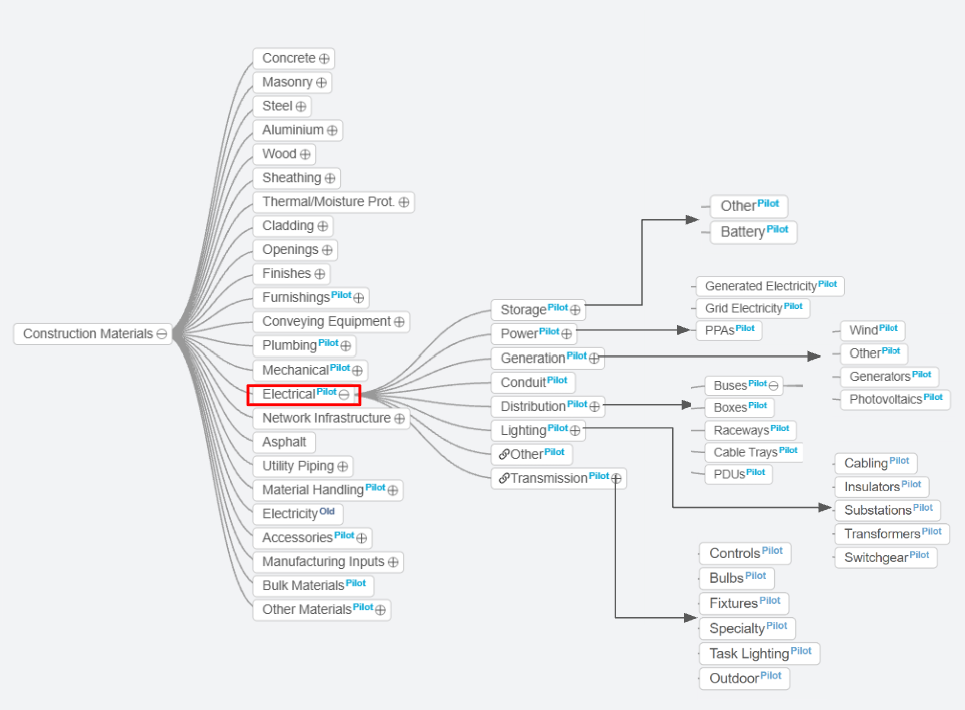
Figure 2: Example of new Electrical subcategories in EC3
Electrical categories received similar improvements. Lighting, lighting controls, conduit systems, cable trays, electrical equipment, and additional product groups were reorganized into searchable categories with more meaningful attributes.
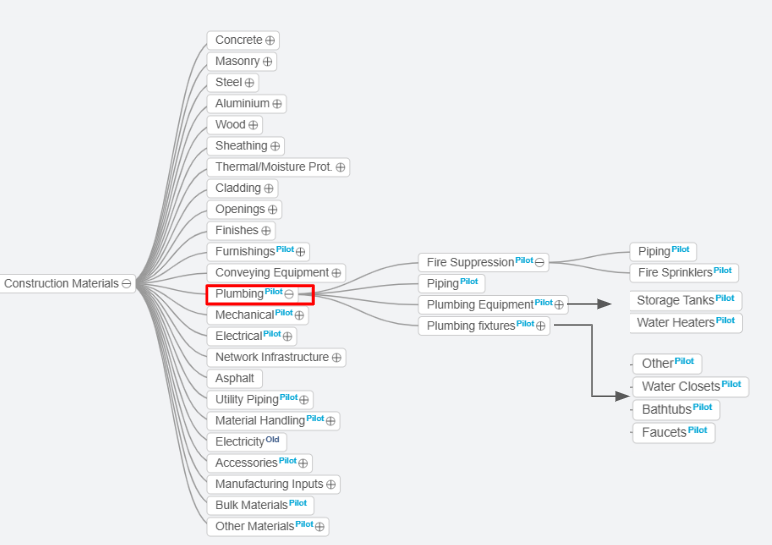
Figure 3: Example of new Plumbing subcategories in EC3
For plumbing, new categories include piping, fixtures, fire suppression products, plumbing equipment, pumps, and water treatment systems. Material composition, nominal diameter, pressure class, and other important characteristics now support more accurate filtering and comparisons.
The work required more than naming categories. The data team also developed searchable product specifications and implemented performance-based search fields so users can filter by the characteristics that actually inform procurement decisions, including capacity and refrigerant type for chillers and heat pumps, voltage and material composition for conduit, nominal diameter and material for piping, and many other MEP product-specific attributes.
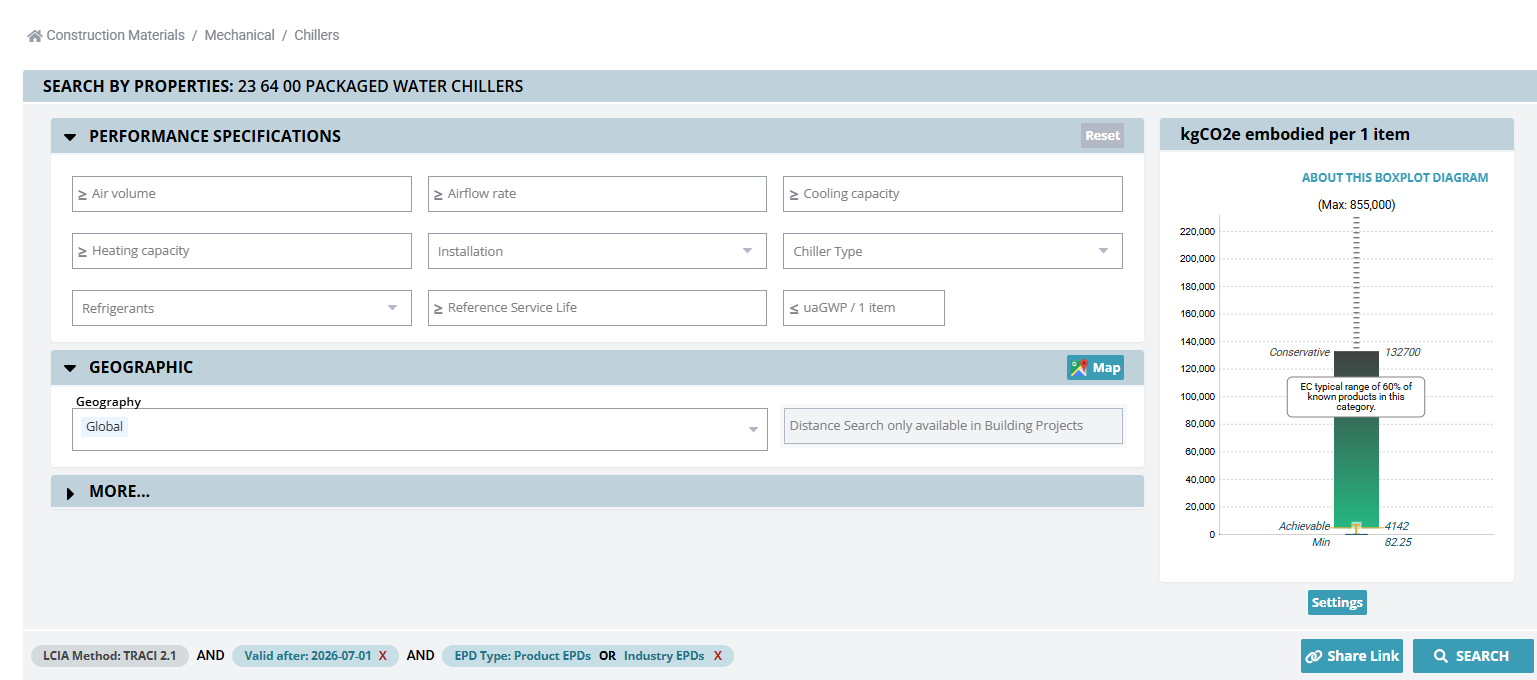
Figure 4: Example of the Mechanical category specification structure
The EPD Splitting System
Many MEP EPDs report a single reference product alongside an extrapolation table: a scaling factor that covers an entire product series. Before this work, EC3 would ingest such an EPD as a single record, making product-specific comparisons difficult or impossible.
The Building Transparency data team built a system to read those extrapolation tables and generate individual searchable records for each variant. The system applies the scaling factors reported in the EPD to the reference product, producing a separate EC3 record for every product represented in the document.
This approach substantially increases the usefulness of manufacturer EPDs while preserving consistency with the published documents. Instead of comparing one generalized product, users can compare the actual equipment they intend to specify.
The impact is especially important for MEP product families where one EPD may represent a large product series. Splitting these records allows EC3 to surface product-specific values, categories, and attributes instead of hiding the entire product family behind a single generic declaration.
Current MEP EPD Coverage
Following category development, implementation of the splitting system, and a comprehensive cleanup effort, EC3 now includes more than 11,300 searchable MEP EPD records across mechanical, electrical, and plumbing disciplines.
MEP EPD records
MEP disciplines
Product subcategories
Mechanical equipment now includes detailed product categories for chillers, AHUs, VRF systems, pumps, fans, ducts, boilers, terminal units, and more. Electrical products span conduit systems, lighting, cable trays, controls, electrical equipment, and related assemblies. Plumbing coverage includes piping, fixtures, pumps, fire suppression products, plumbing equipment, and accessories.
These records are now organized into categories that better reflect how design teams, contractors, and procurement teams search for products. This means MEP data can be more easily discovered, filtered, and compared in EC3.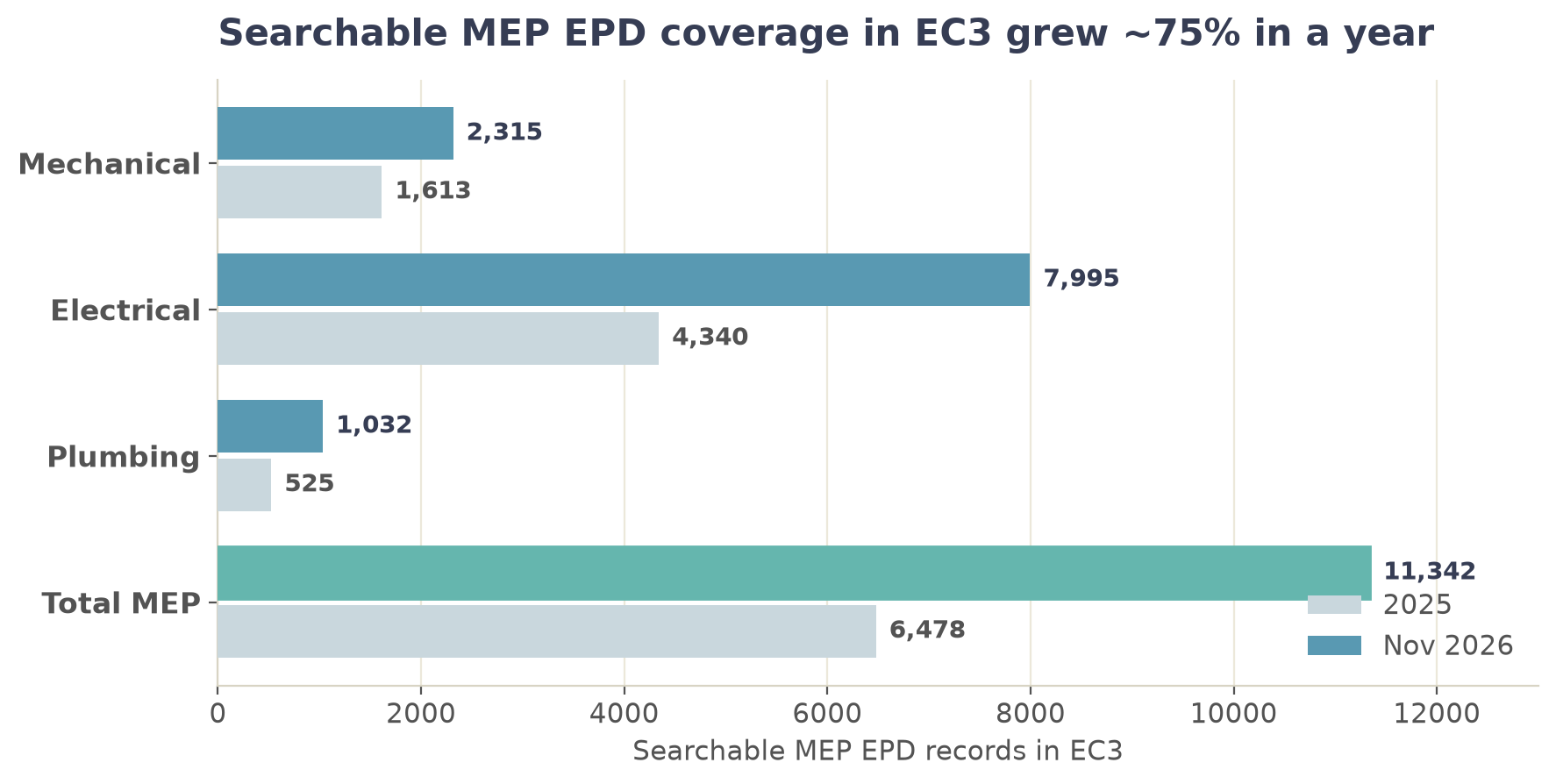
Figure 5: MEP EPD coverage in EC3 by discipline, 2025 versus November 2026
Where the Gaps Still Are
Getting EPD records into EC3 is only one step. Making them searchable, comparable, and useful during procurement requires complete metadata and standardized product information.
Several challenges remain. Some EPDs use inconsistent product specifications, while others lack enough searchable attributes to support meaningful comparisons. Extrapolated datasets may not always include sufficient metadata for each product variation, and declared units may differ across manufacturers in ways that make comparison more complicated.
These issues often originate in the published EPDs themselves and cannot always be resolved during parsing. If an EPD reports one reference product with an extrapolation table but does not provide the attributes needed to describe each variation, the resulting EC3 records may still require additional review or manufacturer input.
Addressing these remaining gaps will require continued collaboration among manufacturers, LCA practitioners, PCR committees, program operators, and EC3 users. Better source data will make it easier to create high-quality, searchable, and comparable records inside EC3.
What EC3 2.0 Brings for MEP
EC3 2.0 reached a major milestone this fall: the modernized Find & Compare material search experience launched in public beta at Greenbuild, giving the community its first hands-on look at the next generation of the platform. MEP categories are part of EC3 2.0 as a pilot today and will become fully public as the platform matures. Learn more about EC3 2.0 →
EC3 2.0 is an active development effort, and many future improvements are directly informed by this work. As product categories continue to mature, users will benefit from better filters, richer product attributes, improved search performance, and more meaningful product comparisons.
MEP categories currently in pilot status will be opened to all users as the category structure continues to mature. Users will be able to search and compare more MEP products by attributes that reflect real-world design and procurement needs, such as capacity, voltage, refrigerant type, diameter, material composition, and system configuration.
On the data exchange side, openEPD will continue to play an important role for MEP manufacturers and program operators. By improving how MEP product metadata is structured, manufacturers and program operators can make their EPDs more discoverable and more useful in EC3 and other tools.
Search and API access for MEP categories will also improve. With better filters, faster response times, and more consistent category structures, MEP data will become easier for project teams, software developers, and procurement platforms to use.
Download the Full MEP Report
For readers who want the detailed category counts, EPD coverage tables, and technical documentation behind this update, the full MEP report is available as a downloadable PDF.
Why This Matters
MEP systems account for a meaningful share of a building’s embodied carbon, yet they have historically been among the hardest products to evaluate. This project represents an important step toward making MEP data more transparent, searchable, and actionable for the entire building industry.
If you manufacture MEP products, practice LCA, operate programs, or work on projects involving MEP data, Building Transparency invites your feedback on how EC3 can enhance MEP data quality and usability. Please contact us at contact-us@buildingtransparency.org.
Sincerely,
The Building Transparency Team