
Resources
All
Guides
Tutorials
Videos
Case Studies
Case Studies
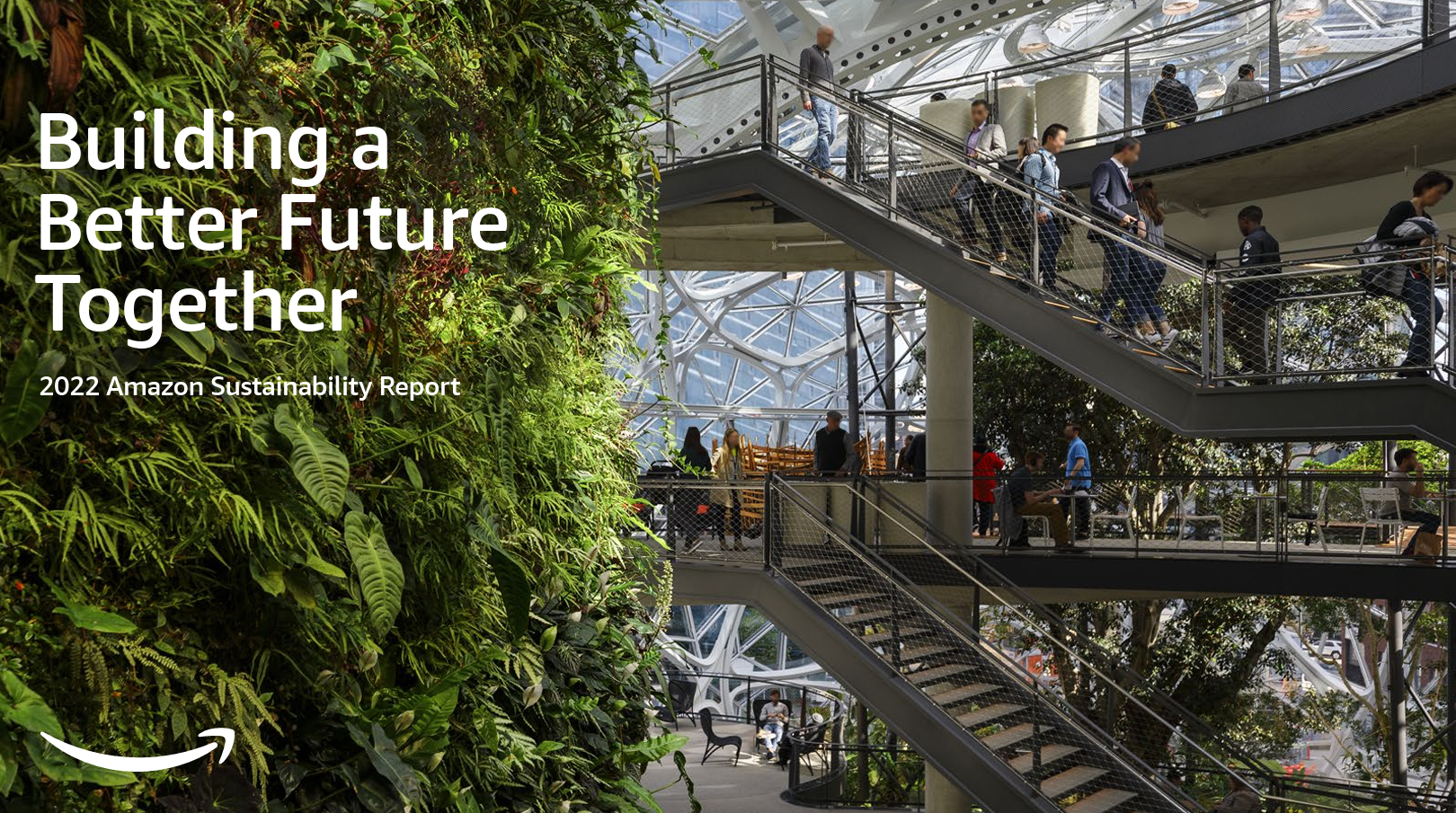
Amazon, another key sponsor, utilized EC3 to create a sustainable construction model for its second headquarters in Virginia. The company stipulated that the 200 ,000 cubic yards of concrete needed to produce 20% less carbon emissions than the industry baseline. Amazon continues to focus on reducing embodied carbon emissions and has implemented the 20% reduction rule for concrete used in data centers globally.
Case Studies
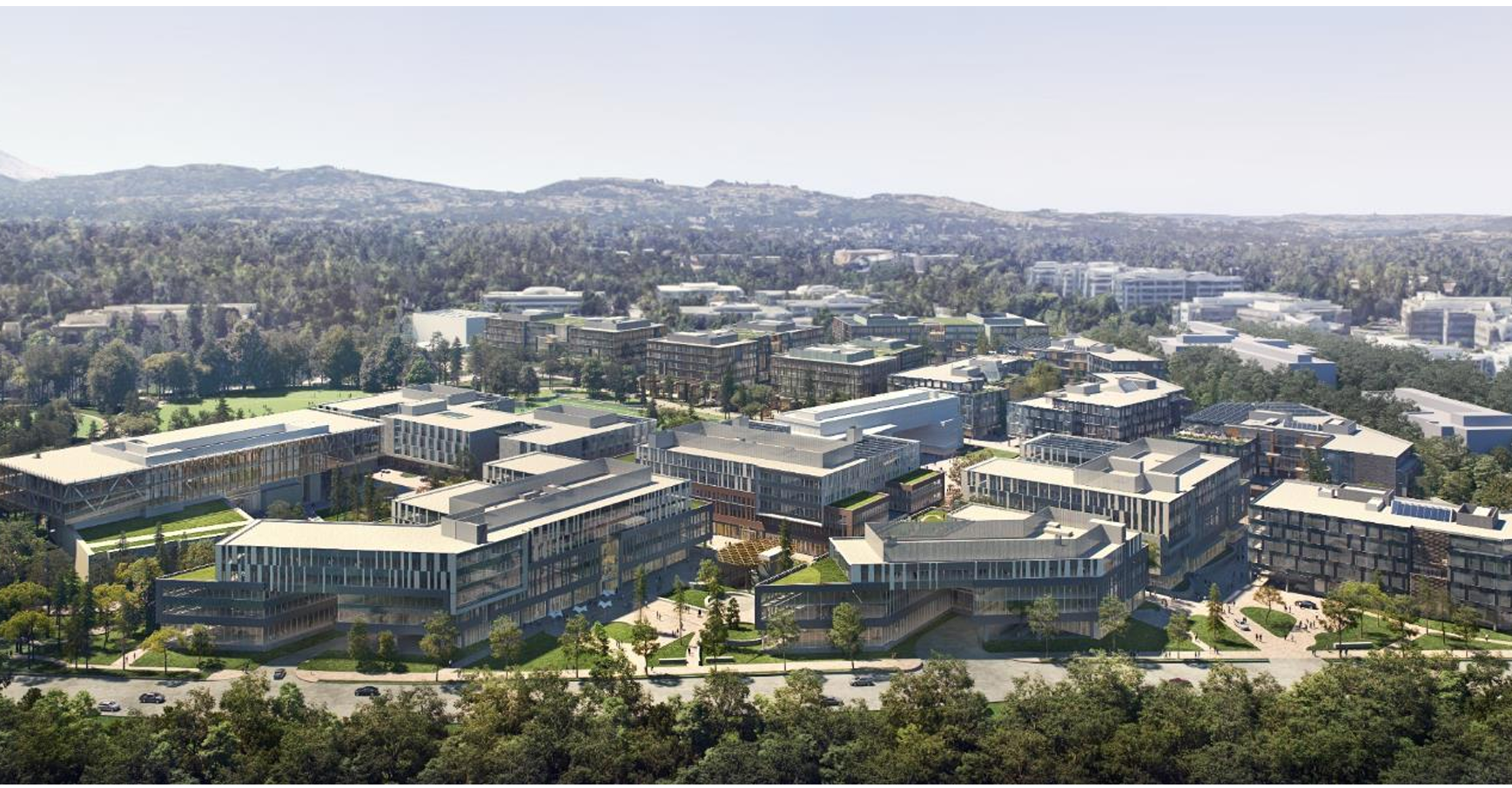
Microsoft – a pilot sponsor of the tool and one of its first and largest corporate users – leveraged EC3 for its Puget Sound campus modernization project, which included the construction of 17 new buildings and 2.5 million square feet of workspace. Using the tool enabled the team to reduce embodied carbon by at least 30% compared to its baseline. Now, Microsoft requires the use of EC3 across its entire building portfolio. Additionally, by utilizing EC3, it has identified opportunities to reduce concrete and steel-related emissions by 30 –60% at its data...

Case Studies
As an early pilot partner, Perkins&Will tested the EC3 tool on active projects in Seattle and California. The experience highlighted how early adopters, internal champions, and case studies are critical to integrating embodied carbon into design workflows. Drawing on rigor from Carbon Leadership Forum and verified EPD data, the EC3 Tool is helping teams translate embodied carbon from an abstract concept into actionable, design-driven decisions.

Case Studies
Skanska has used the EC3 tool across its U.S. commercial projects since 2020 to measure and reduce embodied carbon. At projects like 9000 Wilshire in Beverly Hills and 1550 on the Green in Houston, EC3 informed low-carbon material selection —especially for concrete and rebar —and supported supplier engagement through EPDs. These efforts demonstrate how data-driven decisions can deliver significant embodied carbon reductions at scale.
Case Studies
Amazon, another key sponsor, utilized EC3 to create a sustainable construction model for its second headquarters in Virginia. The company stipulated that the 200 ,000 cubic yards of concrete needed to produce 20% less carbon emissions than the industry baseline. Amazon continues to focus on reducing embodied carbon emissions and has implemented the 20% reduction rule for concrete used in data centers globally.
Case Studies
Microsoft – a pilot sponsor of the tool and one of its first and largest corporate users – leveraged EC3 for its Puget Sound campus modernization project, which included the construction of 17 new buildings and 2.5 million square feet of workspace. Using the tool enabled the team to reduce embodied carbon by at least 30% compared to its baseline. Now, Microsoft requires the use of EC3 across its entire building portfolio. Additionally, by utilizing EC3, it has identified opportunities to reduce concrete and steel-related emissions by 30 –60% at its data...
Case Studies
As an early pilot partner, Perkins&Will tested the EC3 tool on active projects in Seattle and California. The experience highlighted how early adopters, internal champions, and case studies are critical to integrating embodied carbon into design workflows. Drawing on rigor from Carbon Leadership Forum and verified EPD data, the EC3 Tool is helping teams translate embodied carbon from an abstract concept into actionable, design-driven decisions.
Case Studies
Skanska has used the EC3 tool across its U.S. commercial projects since 2020 to measure and reduce embodied carbon. At projects like 9000 Wilshire in Beverly Hills and 1550 on the Green in Houston, EC3 informed low-carbon material selection —especially for concrete and rebar —and supported supplier engagement through EPDs. These efforts demonstrate how data-driven decisions can deliver significant embodied carbon reductions at scale.